
 1300 11 00 96
9 Mistakes Buyers Make When Choosing Equipment Cases with Wheels
Author: Evolution Gear Date Posted: 19 May 2026
TL;DR
- Many buyers choose equipment cases with wheels based on appearance, price, or outside size instead of internal fit, wheel quality, and protection.
- The right case should match the equipment, travel conditions, total packed weight, and the way it will be handled.
- For many professional users, impact protection, waterproof and dustproof sealing, pressure equalization valves, secure latches, and the right internal layout matter more than cosmetic features.
- Evolution Gear’s trolley cases, utility cases, custom foam cutting, and padded dividers can help solve many of the most common buying mistakes.
What do buyers get wrong when choosing equipment cases with wheels?
One of the biggest mistakes buyers make when choosing equipment cases with wheels is treating them like simple storage boxes. In reality, a wheeled equipment case is a transport system. It needs to protect valuable gear, move well under load, suit the travel environment, and keep equipment stable in transit.
That matters whether the equipment is cameras, electronics, tools, instruments, batteries, technical gear, or other sensitive items. If the case is the wrong size, has poor wheels, weak impact protection, or the wrong internal layout, it can create more problems than it solves.
This guide covers the most common mistakes buyers make when choosing a mobile equipment case and explains how to avoid them. It also shows where Evolution Gear’s trolley cases, utility cases, custom foam cutting, and padded dividers fit into a stronger buying decision.
1. Choosing Size Based Only on External Dimensions
A case can look large from the outside and still be a poor fit inside. This is one of the most common buying mistakes because outside size is easy to compare, while internal fit takes more planning.
If the inside of the case is too loose, the equipment can shift during transport. If it is too tight, the case may be difficult to close properly or may place pressure on fragile components. In both cases, the result is weaker protection.
Why internal fit matters more
Internal dimensions are what determine how safely the equipment travels. A poor internal fit increases the risk of movement, knocks, vibration damage, rubbing, and impact between items. This becomes more serious when the gear is moved often or handled roughly.
What buyers should measure
- main equipment dimensions
- batteries, chargers, and accessories
- foam or divider thickness
- cable and small-item storage needs
- lid clearance
If the case needs a more exact internal fit, custom foam cutting is often the better path. If the layout needs to stay more flexible, padded dividers may make more sense.
2. Ignoring Wheel Quality and Mobility Features
Wheels are one of the main reasons buyers choose a rolling case, but they are also one of the easiest features to underestimate. A case may have enough storage and good protection, but if it moves badly under load, it quickly becomes frustrating to use.
Cheap wheels wear out quickly
Low-quality wheels may work for occasional indoor use, but they often struggle on loading areas, rough concrete, uneven surfaces, or frequent transport routes. Over time they can wobble, wear unevenly, crack, or roll poorly under pressure.
Mobility matters more for heavier kits
As the load gets heavier, wheel quality and handle strength become more important. Poor mobility can make the case harder to control, more tiring to move, and more likely to tip, drag, or put strain on the user.
What to look for
- strong wheel construction
- smooth rolling under load
- better control on uneven surfaces
- a reinforced telescopic or pull handle
- good balance when the case is moving
If wheeled transport is a core requirement, start with trolley cases rather than trying to make a less suitable case do the job.
3. Buying Cases Without Proper Impact Protection
Many buyers assume that any hard case provides strong protection, but that is not always true. Hard cases vary in shell strength, structural design, and internal protection. The case needs to do more than just look rigid.
Why shell construction matters
A stronger shell helps the case absorb shocks, resist cracking, and protect the contents from handling pressure. This is especially important during frequent loading, transport, stacking, or long-distance travel.
Why the internal layout matters too
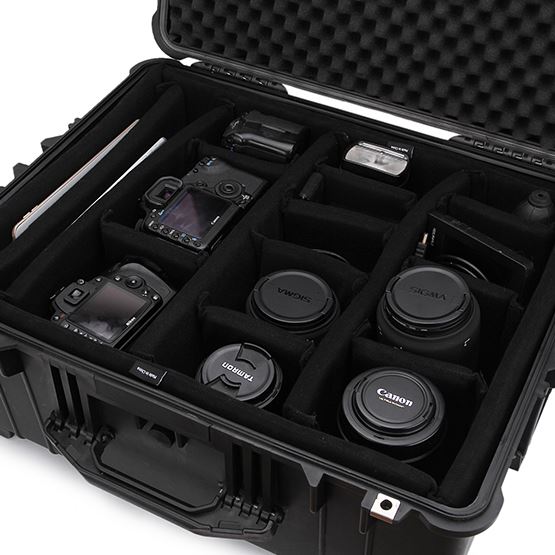
A strong shell without the right internal layout still leaves the equipment exposed to movement. Foam and dividers help keep the gear stable, separated, and easier to organise.
- Custom foam cutting works well for fixed equipment layouts
- Padded dividers work better for flexible layouts that change over time
Buyers should think about shell protection and internal control as one combined system, not two separate decisions.
4. Overlooking Weight Capacity Limits
A case may look durable on the outside and still perform poorly if the total packed load is too heavy for the wheels, handle, latches, or structure. This is a common issue when buyers focus on dimensions but do not think enough about total weight.
What overloading can cause
- weaker rolling performance
- extra strain on handles and wheels
- faster wear on latches and hinges
- harder control across rougher terrain
- reduced long-term reliability
The better approach is to calculate the total packed load before buying. That should include the equipment itself, accessories, batteries, chargers, and internal protection such as foam or divider systems.
5. Choosing Price Over Long-Term Value
Price matters, but choosing on price alone often leads to the wrong case. A cheaper case may seem like a saving at first, but it can become expensive if it fails early or leaves the equipment poorly protected.
The hidden cost of a cheap case
- broken wheels
- weaker latches
- shell cracking or distortion
- poorer internal support
- higher replacement or repair cost over time
For buyers moving valuable or sensitive equipment regularly, long-term durability and protection usually matter more than the lowest upfront cost.
6. Ignoring Weather and Environmental Conditions
A case that works well in an office or workshop may not be enough for outdoor or field use. Moisture, dust, rough surfaces, and changing transport conditions can all affect the case and the equipment inside it.
Why environment matters
Sensitive equipment can be affected by dust build-up, moisture exposure, and repeated handling in harsh conditions. That makes waterproof and dustproof protection more important for buyers using their cases in demanding environments.
Features worth checking
- waterproof and dustproof sealing where required
- pressure equalization valves for changing transport conditions
- strong shell construction for repeated handling
- hardware suited to harsher use
This matters for many use cases, including outdoor photography, regional technical work, industrial transport, mobile equipment handling, and field-based operations.
7. Forgetting About Security Features
Security is often treated as a secondary detail, but for many buyers it should be part of the main decision. Expensive or sensitive equipment needs more than a simple lid closure.
Why security matters
When a case is transported, stored, or used in shared spaces, stronger lock points and better closure systems help reduce the risk of tampering, accidental opening, or rough handling causing the case to open unexpectedly.
Useful security features
- reinforced latches
- padlock-compatible lock points
- more secure closure design
- hardware suited to repeated professional use
8. Not Considering Customisation Options
A standard hard case is not always the best finished solution. Buyers often focus only on the shell and forget that internal layout can make a major difference to protection, organisation, and workflow.
Why customisation improves usability
A better internal layout helps protect equipment, reduce movement, and speed up packing and setup. That becomes even more valuable when the same equipment travels regularly or when teams need a clear repeatable layout.
Useful customisation options
- custom foam for fixed layouts
- padded dividers for flexible layouts
- labeling or identification systems
- more structured storage for small accessories
9. Buying Without Considering Future Needs
Some buyers choose a case only for the current loadout and do not think about how the equipment setup may change over time. That often leads to buying twice or needing a workaround later.
Why future planning matters
The equipment may grow, the accessory list may expand, or the transport needs may change. A little planning up front can make the case more useful for longer and reduce the need for early replacement.
This does not mean buying a much larger case than needed. It means choosing a format and internal system that can adapt where practical.
Comparison Table - Common Buying Mistakes vs Better Decisions
| Decision area | Common mistake | Better approach |
|---|---|---|
| Case sizing | Choose by outside size only | Choose by internal fit, layout, and clearance |
| Mobility | Ignore wheel and handle quality | Choose wheels and handles that suit the real transport conditions |
| Protection | Assume any hard shell is enough | Check shell strength and internal support together |
| Internal layout | Use a generic empty interior | Use foam or dividers based on the loadout |
| Environment | Ignore dust, moisture, and field conditions | Choose waterproof and dustproof protection where needed |
| Long-term value | Buy on price alone | Choose a case that protects equipment and lasts longer |
How to Choose the Right Equipment Case with Wheels
The right choice depends on the equipment, the travel conditions, and how often the case is used. Before buying, it helps to ask:
- What equipment needs to fit inside?
- How often will the case be moved?
- Will it be used indoors, outdoors, or both?
- Does the layout need to stay fixed or change regularly?
- Is wheeled transport a major part of the job?
For many buyers, the most relevant Evolution Gear paths are:
- Trolley cases for rolling transport and heavier loads
- Utility cases for broader protective storage
- Custom foam cutting for fixed internal layouts
- Padded dividers for flexible layouts
Conclusion
Choosing equipment cases with wheels is not just about buying something that rolls. The right case needs to protect the load, suit the terrain, support the weight, and keep the equipment stable in transit.
Buyers who focus only on price, outside size, or appearance often end up with a case that does not match the real job. A better decision comes from looking at internal fit, mobility, protection, environment, security, and long-term use together.
If you are comparing options now, start with Evolution Gear’s trolley cases and utility cases. If internal protection is the bigger issue, look at custom foam cutting or padded dividers depending on how fixed the equipment layout needs to be.
FAQs
What are the best materials for equipment cases with wheels?
Strong engineered hard-case materials are usually the better choice because they offer better impact resistance, durability, and more reliable protection during transport.
Why are custom foam inserts important?
Custom foam inserts help reduce equipment movement during transport, improve organisation, and provide a more controlled fit for sensitive gear.
Are waterproof equipment cases necessary?
They are important when the equipment may be exposed to moisture, dust, outdoor conditions, or tougher transport environments. The level of protection needed depends on the job and environment.
How do I choose the correct case size?
Use the internal dimensions, not just the outside measurements. Include space for accessories, internal protection, and lid clearance before buying.
When should I choose padded dividers instead of foam?
Choose padded dividers when the equipment layout changes regularly. Choose foam when the same equipment travels together often and needs a more secure fixed fit.