
 1300 11 00 96
How to Protect Expensive Gear While Travelling Across Australia
Author: Evolution Gear Date Posted: 24 April 2026
To protect expensive gear while travelling across Australia, use impact-resistant storage, keep sensitive equipment away from heat, dust and moisture, secure valuables during transport, and build a simple routine for cleaning, checking and backing up your equipment.
Australia can be demanding on cameras, laptops, drones, batteries and other sensitive equipment. Long drives, high temperatures, coastal salt, fine dust and rough handling can all create avoidable problems if your gear is packed casually.
This guide covers practical ways to reduce damage, theft and downtime when travelling with valuable equipment.
Why Gear Protection Matters in Australian Travel
Travelling across Australia often means moving between very different conditions. One trip can include humid coastal stops, dusty inland roads, hot parked vehicles, crowded airports and remote areas where repair options are limited.
Common gear at risk includes:
- Camera bodies, lenses and accessories
- Laptops, tablets and hard drives
- Drones, controllers and batteries
- Camping, outdoor and field equipment
- Specialised tools or sensitive work equipment
Good protection is not only about preventing scratches. It helps keep equipment organised, accessible and ready to use throughout the trip.
Start by Assessing What You Are Carrying
Before choosing cases, bags or storage, list the equipment you plan to take and sort it by risk.
Fragile items need impact protection. Electronics need protection from heat, dust and moisture. High-value items need better security and should usually stay with you during flights or public transport.
Ask three simple questions:
- What would be expensive or difficult to replace?
- What is most likely to be damaged by heat, dust, water or impact?
- What needs to be easy to access during the trip?
This helps you avoid overpacking while still protecting the equipment that matters most.
Use Protective Cases That Match the Way You Travel
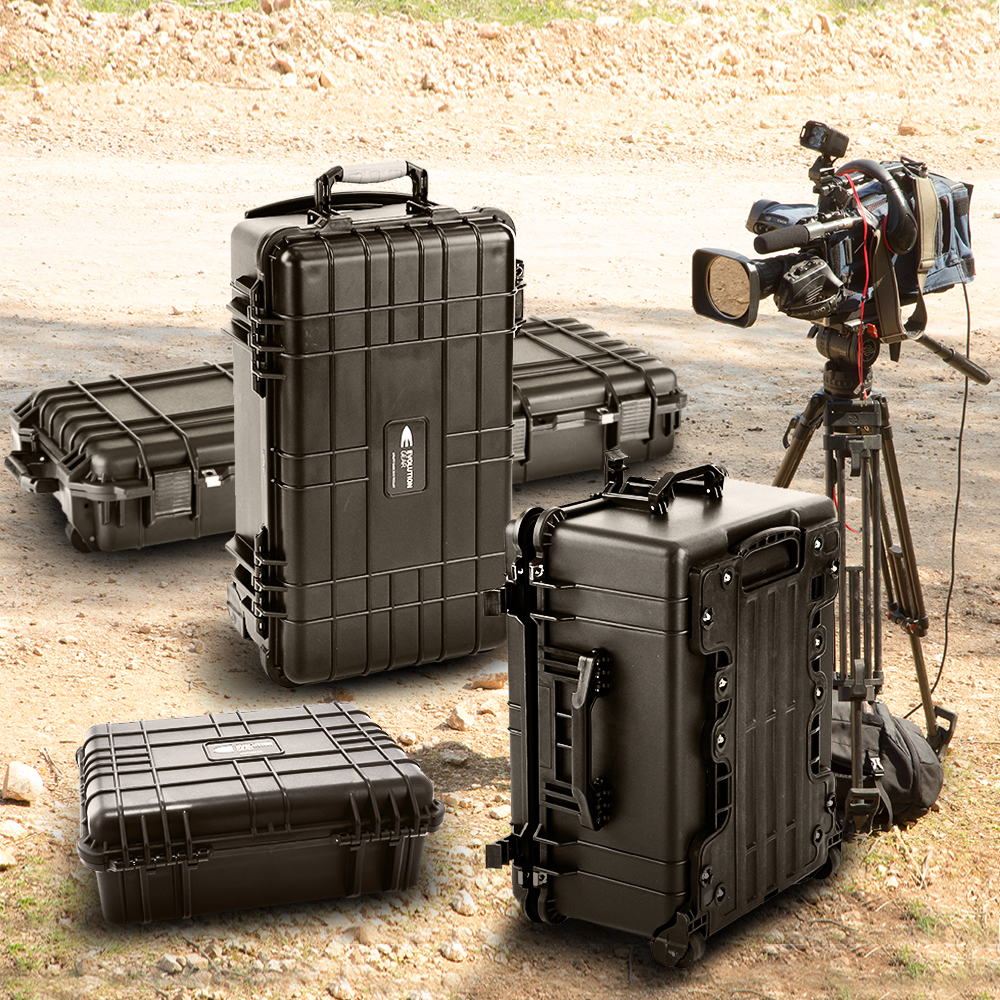
For valuable or fragile gear, a structured hard case is often the safest option. It helps reduce movement, absorbs knocks better than loose bag storage, and gives you a more organised setup for flights, road trips and outdoor travel.
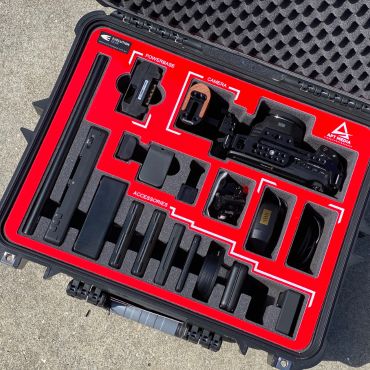
If your setup includes camera gear or drones, start by comparing hard cases for cameras and drones, or browse more specific options such as camera cases and drone cases.
When comparing storage options, look for:
- A rigid outer shell for impact protection
- Interior protection that keeps equipment from shifting
- Secure latches and a layout that stays organised in transit
- Enough internal space without leaving items loose
- A case format that suits flights, vehicles or field use
If you are still deciding what style of case fits your setup, this related guide on choosing the right protective case for drone or camera gear is a useful next step.
Choose the Right Interior Protection
The shell matters, but the inside of the case matters just as much. A case that lets gear slide around is still a risk, especially on corrugated roads, in checked baggage or in the back of a ute or camper.
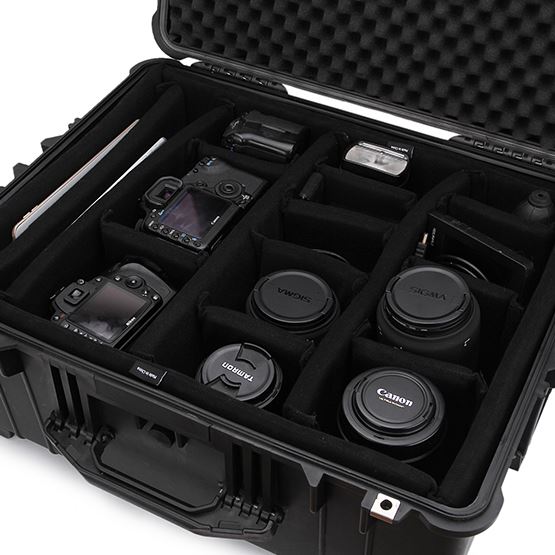
For changing setups, padded dividers can help separate cameras, lenses, chargers and accessories into usable compartments. For a simple do-it-yourself fitout, easy pick diced foam can help reduce movement inside the case.
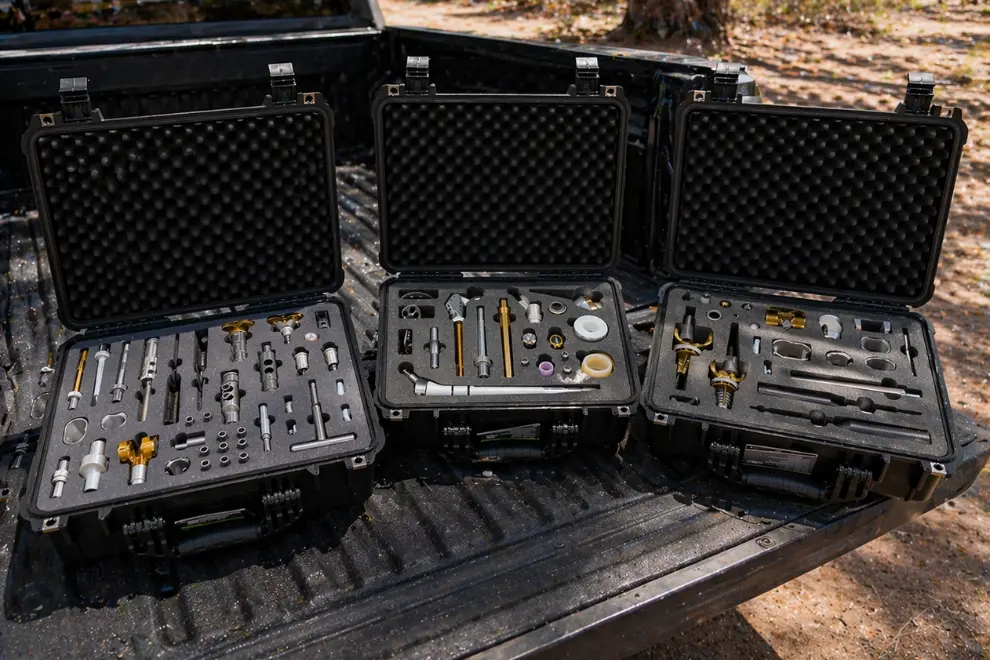
If the equipment is high value, fragile or awkwardly shaped, a fitted insert may be the better option. Evolution Gear’s custom foam cutting service and its related article on custom foam inserts for fragile gear are relevant for travellers who need a more precise layout.
Protect Gear from Heat and Sun
Heat is one of the biggest risks when travelling in Australia. Parked vehicles can become extremely hot, and direct sun can affect electronics, batteries and some materials.
To reduce heat-related risk:
- Do not leave electronics or batteries in direct sunlight
- Avoid storing valuable gear on seats, dashboards or trays
- Use insulated storage where practical
- Move sensitive equipment indoors overnight when possible
- Let gear cool before charging batteries or powering devices
If you need to leave equipment in a vehicle for a short period, keep it out of sight and away from windows. For longer stops, take high-value and heat-sensitive items with you where possible.
Manage Dust, Sand and Salt
Dust, sand and salt can quickly damage sensitive equipment. Outback roads can expose gear to fine dust, while coastal travel adds sand, humidity and salt air.
Practical protection steps include:
- Keep equipment in closed storage when not in use
- Avoid changing camera lenses in windy or dusty areas
- Use covers or sleeves for exposed equipment
- Carry a small cleaning kit suited to your gear
- Wipe down cases and outer surfaces before opening them
After beach or coastal use, clean external surfaces before packing gear away. Avoid putting sandy or damp accessories back into the same compartment as sensitive equipment.
Keep Moisture Under Control
Moisture can be a problem in rain, humid coastal areas, river crossings and camping environments. Even small amounts of condensation inside a bag or case can create issues over time.
Use dry bags, rain covers or sealed cases when conditions are wet. Silica gel packs can also help manage moisture inside storage, especially for cameras, lenses, drives and electronics.
If gear gets wet, turn it off where safe to do so, remove batteries if appropriate, dry the exterior and allow it to fully dry before reuse. Do not rush to power on electronics after water exposure.
Pack for Impact Protection
Good packing prevents items from shifting, colliding or being crushed. This matters during flights, 4WD travel, campervan storage and long road trips.
Use these packing habits:
- Place fragile items in padded compartments or fitted foam
- Keep heavy items away from lenses, screens and delicate parts
- Fill empty space so equipment cannot move inside the case
- Use clothing only as backup padding, not primary protection
- Check that lids and latches close without pressure on the gear
A well-organised case also helps you work faster. You can find what you need without unpacking everything or leaving equipment exposed for longer than necessary.
Reduce Theft Risk While Travelling
Security habits matter as much as storage. Expensive gear should not be visible in vehicles, hotel rooms, campsites or public spaces.
To reduce theft risk:
- Keep high-value items with you where practical
- Use lockable cases or bags when suitable
- Do not leave equipment visible through vehicle windows
- Record serial numbers before you travel
- Use luggage tags or discreet identification labels
- Consider tracking devices for high-value bags or cases
In cities, airports and public transport areas, keep bags closed and close to your body. Avoid placing valuable equipment under seats, on unattended trolleys or in open vehicle trays.
Flying with Expensive Gear
When flying, keep the most valuable and fragile items in carry-on luggage where airline rules allow. Cameras, lenses, laptops, hard drives and essential accessories are usually better kept with you than placed in checked baggage.
If equipment must be checked, use a strong protective case, secure the contents with foam or padding, and keep documentation for valuable items. Check your airline’s size, weight and battery rules before travelling.
For lithium batteries, follow airline requirements carefully. Battery rules can vary by carrier and route, so confirm them before you pack.
Protecting Gear on Road Trips
Road trips create a mix of impact, heat, dust and theft risk. Gear can shift on corrugated roads, become hot in parked vehicles or attract attention if left visible.
Use straps, dividers or fitted storage to stop cases and bags from moving around. Keep sensitive equipment away from loose tools, cooking gear, water containers and sharp objects.
At overnight stops, move high-value gear into secure accommodation where practical. If you are camping, keep equipment elevated, dry and away from food or liquids.
Back Up Data and Carry Essential Spares
Physical protection is only part of the plan. If you are travelling with cameras, drones, laptops or work files, data backup is essential.
Use a simple backup routine:
- Back up important files daily where possible
- Use both cloud storage and a physical drive if your workflow allows
- Keep backup drives separate from your main gear bag
- Carry spare batteries, memory cards and key cables
- Test chargers and adapters before leaving
This reduces the chance that one lost, stolen or damaged item stops the whole trip.
Consider Insurance for High-Value Equipment
Travel insurance or specific equipment cover can be useful when carrying expensive gear. Check whether the policy covers theft, accidental damage, loss, checked baggage and items used for work.
Pay close attention to single-item limits, exclusions and documentation requirements. Keep receipts, serial numbers and photos of valuable equipment in a separate digital location.
Common Mistakes to Avoid
- Leaving electronics or batteries in hot vehicles
- Packing fragile items loose inside bags
- Using soft bags when impact protection is needed
- Opening cases in dusty or sandy conditions without care
- Keeping all backups in the same bag as the main device
- Leaving expensive gear visible in vehicles or campsites
- Assuming general travel insurance covers all equipment
Final Checklist Before You Travel
- Choose protective cases or foam inserts suited to your gear
- Record serial numbers and store receipts digitally
- Pack cleaning tools, dry bags and moisture control packs
- Check airline rules for carry-on gear and batteries
- Plan a daily backup routine for important files
- Keep high-value items hidden, secured and close to you
Protecting expensive gear across Australia comes down to preparation, smart packing and consistent habits. If you need better storage for camera kits, drones or other sensitive equipment, browse camera and drone hard cases, compare camera case options, or look into custom foam solutions for a more tailored fit.
FAQs
What is the best way to protect camera gear while travelling in Australia?
Use a protective case with padded dividers or foam inserts, keep camera gear away from heat and dust, and carry high-value items in hand luggage when airline rules allow.
How do I stop electronics from overheating while travelling?
Keep electronics out of direct sunlight, avoid leaving them in parked vehicles, use insulated storage where practical, and allow devices to cool before charging or use.
How can I protect gear from dust in the outback?
Use closed storage, wipe cases before opening them, avoid changing lenses in dusty areas, and clean equipment regularly with tools suited to that gear.
Should I use a hard case or soft bag for travel gear?
Use a hard case when impact protection and structured storage matter. A soft bag can work for lighter travel, but it usually offers less protection against crushing and rough handling.
Is insurance worth considering for expensive travel gear?
Yes, especially for high-value equipment. Check policy limits, exclusions and documentation requirements before relying on insurance for cameras, laptops, drones or specialist equipment.